|
|
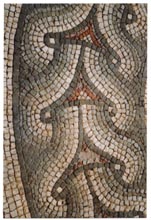 River Avon HistoryThe 'human' history of the River Avon can be traced to at least the Roman era over 2000 years ago. The Romans famously built around the spa waters at Bath but they also created settlements at Sea Mills, Newton St Loe and Keynsham. This photo is of mosaic flooring at the Roman Villa, Keynsham.
Less is known about who came next but by the 11th century the settlement that became Bristol was established. The re-routing of the River Frome took place in late 13th century to create a new harbour area. This still exists, known today as St Augustine's Parade. The river was becoming the great highway of the area, stimulating a millennium of further settlement, trade and industry.
Medieval to Modern
Bristol boomed in the medieval period. The tidal river and the steep-sided Avon Gorge offered protection for shipping. The town's location made trade links with South Wales, Ireland, and more northerly territories not only possible but lucrative.
A few centuries later, and thanks to the river, Bristol was again in a key position. The growing city began to monopolise trade with the Americas and with West Africa. By the early 18th century, the growing port was second only to London that was dominating trade with the far east. Making the Avon navigable in 1727 further boosted trade opportunities for Bath as well as Bristol. 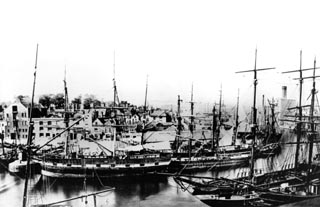
This 'Golden Age' wasn't to last however. Ships were becoming larger and other ports such as Liverpool were better equipped to trade with the west. The port of Bristol began to decline. Improvements to the docks throughout the 1800s propped up the fortunes of the port for a further century or so. But by the mid 1900s, the port of Avonmouth on the Severn Estuary was being developed as the region's main port. Bristol's ancient harbour is now a regenerated area offering a mixture of leisure, commercial and housing opportunities.
Bristol City Museum & Art Gallery
The museum is about 1km off the Trail in central Bristol. It has huge collections and several displays that are particularly relevant to the natural history of the area. Entry is free.
M Shed
See amazing film and photographs, listen to moving personal stories, encounter rare and quirky objects and add your own memories of Bristol through the interactive displays. From prehistoric times to the present day, M Shed tells the story of the city and its unique place in the world. Entry to the Museum is free.
If you would like to explore Bristol by studying historic maps online, please search for Bristol City Council's Know Your Place. The website also invites you to share your own information and images about Bristol.
|
|